

Ask for a macchiato in Florence, and you might get handed something bigger than expected. That’s the macchiatone. So what is a macchiatone? It’s a long macchiato in a cappuccino-sized cup with a lot more milk than the classic version. It has nowhere near as much foam as a full cappuccino. We ordered one thinking it was a mistake. It wasn’t.
Here’s everything on the macchiatone, from what it is to how it compares to a macchiato and cappuccino, and how to make one yourself.
Key Takeaways
- What is a macchiatone? A larger macchiato with a lot more milk served in a bigger cup
- It sits between a macchiato/a cappuccino, closer to the macchiato in flavor
- Most known in Florence and northern Italy, less so in Rome or the south
- Less calories than a cappuccino, as it uses less milk overall
- Traditionally hot and unstirred, though iced versions do exist at home
- Not the same drink as a latte macchiato, despite the similar name
What Is a Macchiatone?
A macchiatone is espresso marked with only a noticeably bigger splash of steamed/frothed milk than a regular macchiato gets:
- More milk than a macchiato
- Less than a cappuccino
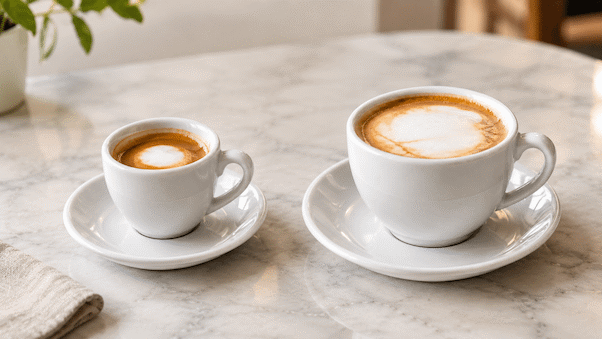
The name just adds “-one” to macchiato, which in Italian makes things bigger. So macchiatone literally means “big macchiato.” Simple as that. It’s served in a cup closer to cappuccino size.
If you’re still getting your basics down, our guide on what is a macchiato coffee is the right place to start.
Is a Macchiatone Sweet or Bitter?
It’s mostly bold with a rounder edge compared to a straight macchiato. The bite of the espresso is softened with that extra milk, thus turning it more creamy. We’d call it bittersweet, leaning bitter on the first sip and mellowing fast.
Macchiatone vs Macchiato: What’s the Difference?
The core difference is milk volume and cup size. A macchiato stays tiny and sharp. A macchiatone stretches that same idea into a bigger cup.
| Feature | Macchiato | Macchiatone |
|---|---|---|
| Cup size | 2-3 oz | 6 oz |
| Milk amount | A spoonful | Only a fifth of the cup |
| Foam | A small blob | Light, frothy layer |
| Flavor | Strong, bold | Bold but rounder |
| Best for | Espresso lovers | Those wanting more milk |
It’s the same drink given some more room to breathe. If you already devour your regular espresso macchiato, jumping to a macchiatone would be a super easy next step.
Macchiatone vs Cappuccino: How They Compare
Same cup with similar look but a completely different drink underneath. People mix these 2 constantly, and honestly, we did too the first time:
| Feature | Macchiatone | Cappuccino |
|---|---|---|
| Milk ratio | Light, about a fifth of the cup | Roughly a third |
| Foam thickness | Thin | Thick |
| Calories (approx.) | ~45 | ~90 to 120 |
| Coffee flavor | Front and center | Balanced with milk |
| Origin | Venice, 1980s to 90s | Older, tied to Italian breakfast culture |
Calories are the biggest surprise here, as a macchiatone runs at roughly half a cappuccino. All because it skips the thick foam and extra milk. If you love a cappuccino but not the heaviness, then this is the swap worth trying.
If sweet/cold is more your speed, then our iced caramel macchiato is worth a try too.
What Kind of Milk Works Best in a Macchiatone?
Once you know what is a macchiatone, the milk question comes next. Whole milk is the traditional pick. It froths well and has enough sweetness to round out the espresso:
- Oat milk works nicely too, mainly since the drink already leans milder than a macchiato
- Almond milk froths thinner, so expect less of that classic light foam layer
- Steam it gently, around 140 to 150°F, so it doesn’t scald and turn flat
How to Make a Macchiatone at Home
You need just two things for this, espresso and milk. That’s the whole ingredient list, no fancy add-ons required. Grab a cappuccino-sized cup too, since a regular espresso cup won’t hold what’s coming.
Start by pulling a double shot of espresso straight into that cup. Then steam about 2-3 oz of milk and a bit more than you’d use for a regular macchiato. Froth it lightly, then pour that milk right over the espresso and serve it immediately.
At our 1st attempt, we got heavy-handed with the milk and had a small latte rather than a macchiatone. Turns out less really is more here, even on the “bigger” version of this drink.
How Many Calories Are in a Macchiatone? A Simple Breakdown
A plain macchiatone with whole milk lands around 45-55 calories. That’s it, the whole cup.
A lot of that comes from the milk, not the coffee. Espresso barely registers only 5-10 calories for a double shot. The steamed milk on top does the real work, usually 35-45 calories based on how much gets poured:
| What’s in the cup | Calories |
|---|---|
| Double espresso shot | 5–10 |
| Steamed whole milk (2–3 oz) | 35–45 |
| Foam on top | Barely counts |
Final Sip
So, what is a macchiatone in the end? A cappuccino-sized/bigger cup that just tastes like a macchiato at heart. It’s proof that Italian coffee culture has a drink for every mood between just espresso and mostly milk.
FAQs
Is a macchiatone stronger than a cappuccino?
In flavor, yes. Less milk means the espresso comes through harder, even though caffeine content is usually the same.
Can you get an iced macchiatone?
It’s served hot traditionally. But nothing stops you from pouring it over ice at home. You can use cold milk and skip the steaming step.
Is a macchiatone healthier than a cappuccino?
Generally yes. All thanks to less milk and fewer calories overall. Flavored versions change that math fast, though.
Is a macchiatone and a latte macchiato the same?
No. A macchiato is mostly just milk and espresso, and here espresso is poured in last. A macchiatone is the opposite. It’s espresso first with milk added on top and that too in a smaller amount.