What is it that makes coffee lovers travel miles or fly across the world to a small farm in Panama? Your answer is just two words: Geisha coffee. It is the most premium and luxurious coffee, grown in Panama farms. It’s an award-winning, rich-in-flavor coffee, specifically grown in the regions of Boquete and Volcán. What I personally like the most about its taste is how it blends the boldness of coffee with the subtle undertones of tea.
Geisha coffee’s divine floral and tea-like characteristics make it stand out the most, speaking for the true craftsmanship and scrupulous farming. You can’t rush perfection, and Geisha coffee is living proof of that. These coffee beans exude a tropical sweetness along their tingling citrus-like bite and jasmine aroma, letting you sip luxury in a cup of coffee. Its cultivation is notoriously slow, but it is worth the wait.
What Is Geisha Coffee?
It is a premium variety of Arabica coffees with a unique floral and tea-like taste. It originally hails from the Gori Gesha village of Ethiopia, and was reintroduced and enhanced in the 1960s in Panama, but it wasn’t before the 2000s when its actual potential was discovered, thanks to the unique climate and soil conditions where it’s grown.
When grown in the cool, misty highlands of Panama—especially around Boquete and the slopes of Volcán Barú—the Geisha variety transforms into something extraordinary.The first distinguished manufacturer known to transport the beans around the globe and get the world acquainted with this unique coffee genre is Hacienda La Esmeralda.
What Is So Special about Geisha Coffee
Here are some of the facts you should know that make this coffee a celebrated coffee genre.
- Scarcity: Geisha coffee is one of the scarcest coffee varieties a barista has ever brewed. This scarcity, along with the uniqueness of taste makes it an expensive variety as well.
- Unique Flavor: Its unique flavor with jasmineand citrusy notes and tea-like body make it stand out from regular coffees that are commonly chocolatey or nutty.
- Global recognition: Panamanian Geisha Won worldwide recognition in 2004 when it won a major coffee competition and started fetching record-breaking prices — sometimes over $1,000 per pound. Today, it’s served in Upscale coffee houses and specialty coffee shops around the world.
Why Is Geisha Coffee So Good?
This coffee variety shows one-of-a-kind genetic blueprint hallmarks that make its aroma complex and texture silky. Geisha coffee’s goodness holds in its genetics, terroir, meticulous processing, and its flavor profile with lower bitterness and higher sugar content than typical Arabica beans.
- Terroir of Panama: Boquete and Volcán offer an ideal environment for the Geisha plant. The volcanic soil, high elevations up to 2000 meters along frequent rainfall, and temperature fluctuations slow down the maturing process of beans. This period of growth lets the flavors develop more.
- Meticulous Processing use the honey or natural processing method for Geisha beans. These processes contain the coffee cherry’s original flavors, adding layers like honeyed sweetness and tea-like florals. The result is a coffee that is difficult to forget and bright.
Does Geisha Coffee Taste Like Tea?
Yes, it tastes close to tea, notably when it’s brewed like filter coffee with pour-over or Chemex methods. Its flavor profile is delicate and subtle like a superior oolong or green tea of jasmine. This tea-like quality is the primary reason why it stands out in blind tastings and international competitions. Although I am a fan of bold, chocolatey coffees from Brazil or earthy Sumatran varieties, Geisha coffee offers elegance and complexity that is just right for the days when I’m looking for a change, bearing tranquility. It lacks the harsh bitterness that some strong coffees have.
Is Geisha Coffee Rare?
Undeniably, it is one of the rarest and most exclusive coffees in the world.
- First, the plant itself is fragile and yields less than other coffee varieties. It’s also susceptible to pests and requires more attention, making it difficult to grow it in huge quantities.
- Secondly, for it to excel, certain conditions are required, including high altitude, specific temperatures, and nutrient-rich volcanic soil. You don’t find these conditions everywhere.
After harvesting, the processing, drying, and sorting stages are performed with extreme care, which limits the volume available for sale. Because of its scarcity and high demand, it is sold in limited lots, often through international auctions.
Is Geisha Coffee Strong
No, it isn’t very strong compared to other Arabica varieties. Geisha coffee, on average, has 30% lower caffeine content than most other coffees. For example, it’s one serving has around 54 mg caffeine as compared to filtered Arabica bean coffee, which has 150 mg caffeine, Arabica bean espresso that has 70 mg caffeine per cup, and a standard double shot espresso that has between 120-150 mg caffeine.
So, infused Geisha coffee is a good choice for those looking to limit their caffeine intake and yet get a refreshing boost to start the day. We recommend it highly if you’re looking to call it a day with a cup filled with relaxing floral taste and soothing aromas, just strong enough to wear off the tiredness after a hectic day.
Why Is Panama Geisha Coffee So Expensive?
It commands high prices for a few key reasons. With a low yield per tree and a narrow growing region, the annual production is significantly lower than other coffee varieties. Geisha is frequently awarded high ratings on the Specialty Coffee Association (SCA) scale—usually above 90 points—making it a prized commodity in auctions, justifying the high price.
Moreover, it gives a rare and unique blend of jasmine notes and tropical fruits not commonly found in other nutty coffees making it high in demand for luxury cafes. The name Panama Geisha has become a status symbol for the cafes and roasters, having it written on their menu.
How Much Is Geisha Coffee Per Kg?
The cost differs depending on different factors such as origin, quality of coffee and results. Also, the highly paid factor is if it was auctioned. Here’s a general breakdown of the cost per kg :
- Award-winning auctioned coffee: The award-winning and auctioned geisha coffee ranges from $2000 to $4000 per kg and sometimes even more than this.
- Specialty-grade micro-lots: Specialty-grade micro-lots of range between $500 to $1000 per kg.
- Standard retail grade coffee: Standard retail grade of geisha coffee ranges from $100 to $300 per kg.
Geisha Coffee Recipe
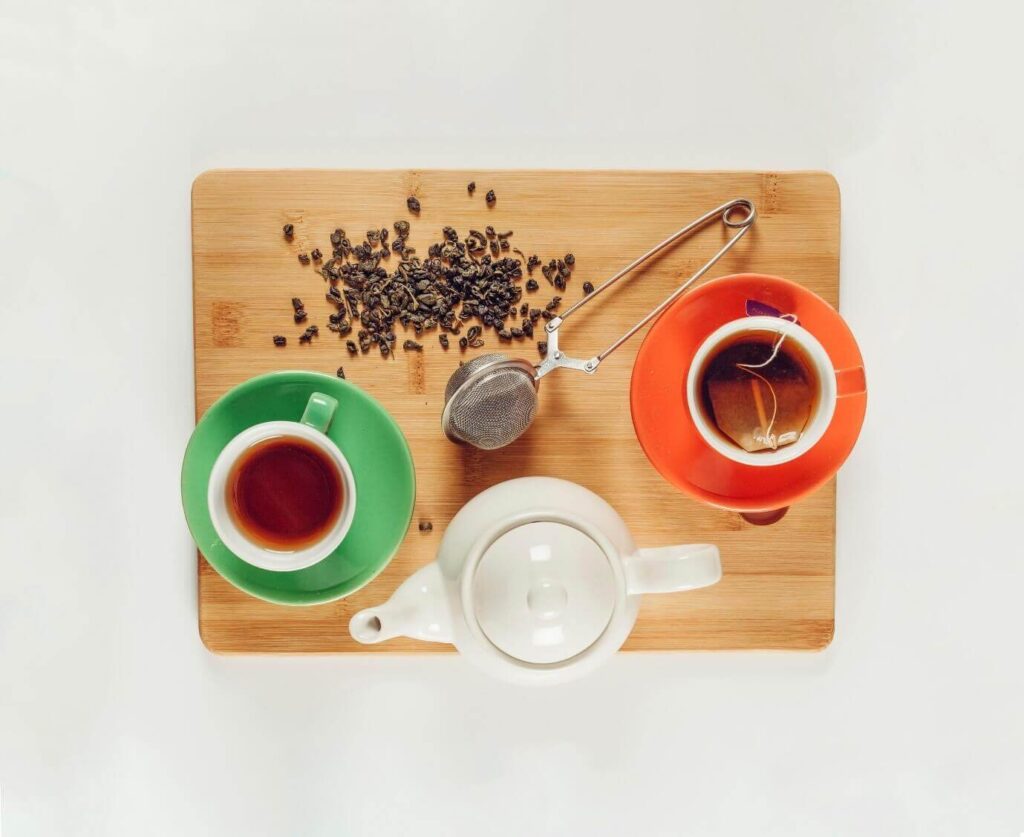
Let’s sip on the delicious Panamanian geisha coffee. This step-by-step guide will lead you through the recipe of Panamanian geisha coffee (pour-over method). Let’s dive in :
Ingredients and Tools
- 15g freshly ground Geisha coffee (medium-fine grind)
- 250ml filtered water (heated to 92–94°C or 198–201°F)
- V60 dripper + filter
- Timer
- Scale
- Gooseneck kettle
Instructions:
- Pre-rinse your paper filter with hot water to remove the paper taste and warm your carafe.
- Add the ground coffee to the filter and gently shake to level the bed.
- Start your timer and pour s small quantity of water. Let it sit for 30–40 seconds.
- Slowly pour the remaining water in concentric circles over the next 2.5 minutes. Total brew time should be around 3 minutes.
- Serve and sip slowly. Notice the floral aroma and tea-like sweetness.
Optional: Try the same beans using a Chemex or AeroPress to explore different flavor expressions.
feel like exploring more exquisite blends? visit our blog and check out what’s brewing today!